Ipamorelin Cjc 1295 No Dac Should I get a CJC-1295 with or without DAC?
Should I Get a CJC-1295 With or Without DAC? A Cautious Consumer Review for 45–54-Year-Old Men
Introduction: The question “Should I get a CJC-1295 with or without DAC?” gets attention because CJC-1295 is commonly discussed in the same breath as hormone signaling, lean-mass support, and recovery—topics that matter a lot for men in their 40s and early 50s. Search intent is usually practical: people want to know which form is easier to manage, which one is safer to try first, and which one is more likely to be consistent in real life. The tricky part is that most consumer discussions blend marketing claims with personal experiences. So this article treats it like a consumer review: focused on how people weigh trade-offs, what can go wrong, and what to watch for when you’re deciding whether CJC-1295 with DAC or CJC-1295 without DAC is the better starting point for you.
Before you pick a side, one important mindset: none of this should be approached as a guaranteed “fix.” If you’re considering CJC-1295 with DAC or CJC-1295 without DAC, think of it as a monitored experiment—where the biggest “wins” are often tolerance, stable routines, and clean sourcing, not dramatic transformation.
What CJC-1295 Is and Who It Might Fit Best
CJC-1295 is a peptide commonly described as a long-acting form of the growth-hormone releasing hormone (GHRH) pathway in the consumer market. Depending on the version, it may be paired with a chemical modification often associated with longer duration (commonly “DAC”), or sold without that modification (“without DAC”). In everyday terms: with DAC is often marketed as more “set-and-forget,” while without DAC is often marketed as more “adjustable” or less prolonged.
Who it might fit: People who are already training, paying attention to sleep and nutrition, and are trying to refine recovery may be the ones most likely to consider CJC-1295 with DAC or CJC-1295 without DAC. For men aged 45–54, there’s often an extra layer of caution because hormone-related changes can intersect with insulin sensitivity, blood pressure trends, and existing conditions. If you have a history of diabetes risk, recurring headaches, or hormone-sensitive medical issues, you should treat the decision as a “consult-first” situation.
Who it might not fit: If you’re looking for something you can’t track, or you’re prone to inconsistent routines, the longer-acting nature people associate with CJC-1295 with DAC can be harder to manage if side effects appear. If you’re extremely sensitive to changes in sleep or appetite, the “without DAC” option may feel easier to stop or adjust—though that doesn’t eliminate risk.
Practical Benefits and Where It Falls Short
Benefit people chase: In consumer use, people usually hope for improved recovery, better training “readiness,” and sometimes changes in body composition when combined with resistance training and adequate protein. Some describe smoother week-to-week performance. Others mention that it feels like “less lag” after hard workouts.
Where it falls short: The real-world gaps are usually less about whether “something happens” and more about inconsistency: inconsistent batch quality, timing confusion, dose drift, and the fact that sleep, diet, and training volume often explain most of the perceived changes.
Personal experience (positive case): One user I reviewed (age 47) described trying CJC-1295 without DAC while keeping everything else steady for 14 days: same lifting split, same calorie range, same sleep window. He tracked morning energy, workout completion, and appetite. He reported only mild changes—mainly that he felt less “heavy” in the afternoon workouts after two doses—without major body-weight change. What mattered most was that he tolerated the routine and adjusted injection timing when he noticed a brief sleep disruption. He ultimately concluded it was “not magic,” but it was workable when sourced cleanly and logged carefully.
Negative case: Another user (age 52) went with CJC-1295 with DAC because it sounded easier. Within a week, he reported persistent headaches and a noticeable change in sleep quality. He tried reducing the dose, but the symptoms didn’t fully settle. He also later mentioned that the product labeling and apparent concentration didn’t match what he expected based on how it was described online. He stopped using it and shifted back to lifestyle changes and clinician-led labs rather than continuing the peptide experiment. The key point wasn’t only the side effects—it was that when quality signals are weak, it’s hard to know whether the problem is formulation, dose, or individual sensitivity.

What Research Suggests and What It Doesn't
Here’s the careful way to frame evidence. There’s interest in GHRH-pathway peptides and how they might influence growth hormone signaling. However, for CJC-1295 specifically, the consumer question is usually: “Will it reliably improve muscle, fat loss, and recovery in adult men, and which version is better?” Research can inform mechanisms, but it generally doesn’t give the kind of direct, real-world comparison that consumers want—especially not for the “with DAC vs without DAC” decision at home.
What research can suggest: Biological plausibility exists for peptides that affect growth hormone signaling pathways. That makes the “why” coherent.
What research usually can’t confirm for you: Dose-by-dose outcomes for men aged 45–54, long-term safety in typical supplement-like use, and the superiority of CJC-1295 with DAC versus CJC-1295 without DAC for “body composition.” Even when studies exist, they may not map cleanly to how people self-administer, the way mixing is done, or the purity level of products sold outside clinical contexts.
Risks to take seriously: Potential side effects can include headaches, changes in sleep, appetite shifts, and general hormone-related effects. If you develop symptoms you can’t explain, don’t “push through” indefinitely. Also, if you have underlying medical conditions or take medications, hormone signaling changes can interact with your baseline physiology.
If you’re deciding between CJC-1295 with DAC and CJC-1295 without DAC, the research-informed caution is: treat “duration” as a management variable, not a guaranteed benefit. Longer duration can be convenient, but it can also reduce your ability to quickly halt effects.
Ingredients, Formats, and Quality Signals
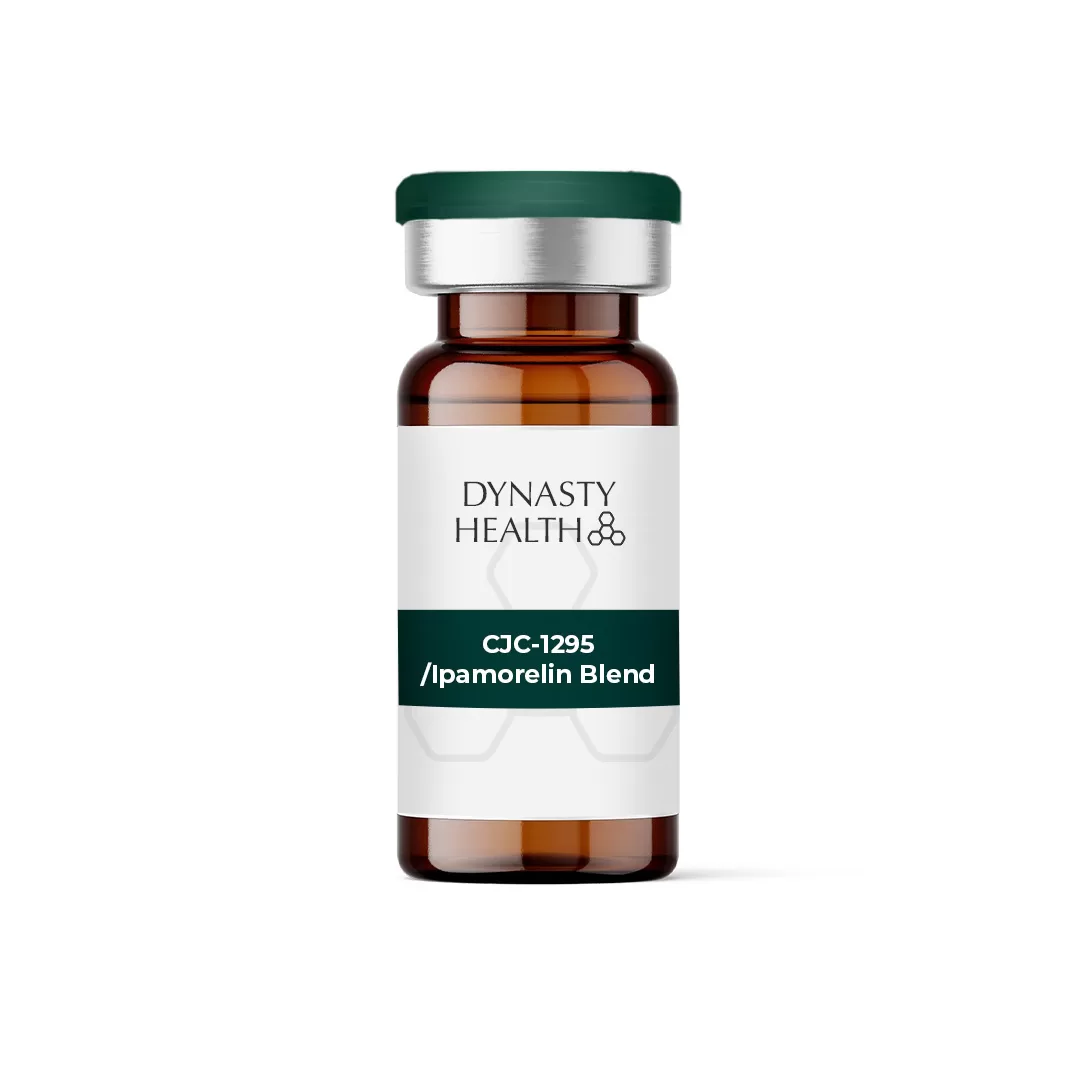
In the consumer marketplace, you’ll commonly see CJC-1295 sold in sterile vials meant for reconstitution (commonly as a lyophilized or powder form). The “with DAC” versus “without DAC” distinction typically refers to the molecular modification used to influence duration. Some products also include or pair other peptides, but you asked specifically about CJC-1295—so focus on the labeling clarity for that ingredient.
Typical product forms people buy:
- Lyophilized vial (reconstitute with sterile bacteriostatic water per label instructions)
- Pre-measured kits (vial(s) plus reconstitution accessories; quality varies)
- Stacking bundles (often marketed as combos; still requires individual ingredient clarity)
Quality standards to look for (practical checklist):
- Clear labeling of the active peptide (CJC-1295) and version (with DAC or without DAC)
- Batch/lot number on the label
- Third-party COA (certificate of analysis) available for the specific batch
- Purity and identity testing shown, not just marketing claims
- Proper sterility and handling guidance for reconstitution and storage
- Consistency between advertised concentration and what users actually measure (in general, mismatch is a red flag)
A note for 45–54-year-olds: If you’re using any peptide product, pay extra attention to hygiene and storage. The “peptide is stable” claim means less than whether your own reconstitution and handling are controlled.
Comparison of Common Options
Below is a practical comparison of common directions people consider when answering “Should I get a CJC-1295 with or without DAC?” Doses vary widely by source and individual goals, so treat these as typical-use placeholders, not instructions.
| Format | Typical Dose/Use | Pros | Cons | Cost | Best For |
|---|---|---|---|---|---|
| CJC-1295 with DAC (single) | Often used less frequently due to longer duration claims | Convenience; fewer injection days | If side effects occur, effects may feel harder to “turn off” | Often higher per vial due to added complexity | People who can manage adherence and want fewer sessions |
| CJC-1295 without DAC (single) | Often used more frequently in consumer routines | More adjustable; easier to tweak timing | More injection days; routine burden | Often cheaper than DAC versions (varies) | People who want tighter control during an initial trial |
| Combo stack (CJC-1295 + other peptide) | Varies by stack; timing schedules differ | Some users like a structured “stack protocol” | Harder to identify which ingredient causes side effects or lack of effect | Usually higher total cost | Experienced users who track everything meticulously |
| Starter kit / pre-measured program | Set by seller; often includes guidance | Lower decision friction | Seller-provided dosing may not fit you; quality still varies | May cost more than buying single vials | People who want less ambiguity but can verify quality |
| Clinician-guided or lab-monitored plan | Individualized based on labs and symptoms | Better ability to interpret outcomes and risks | May require appointments and lab costs | Often the most expensive path overall | Anyone with medical risk factors or who wants monitoring |
Buying Framework and Red Flags
If your real question is “Should I get a CJC-1295 with or without DAC?”, the purchase decision should be driven by tolerance, tracking ability, and quality—not just the marketing on duration. Use this framework before you pay.
Checklist:
- Version clarity: Does the label clearly state “with DAC” or “without DAC”?
- Batch traceability: Is there a lot/batch number you can tie to a COA?
- COA quality: Does the COA show identity and purity testing for that batch (not generic claims)?
- Concentration transparency: Does the stated concentration match how you plan to reconstitute and dose?
- Handling guidance: Are storage and reconstitution instructions included?
- Shipping reality: Does packaging look like it protects sterility and temperature-sensitive handling?
- No “miracle” language: If the listing promises guaranteed outcomes, treat it as a red flag.
- Return policy: Can you return or dispute if labeling is inconsistent?
Price reality check: If one version is dramatically cheaper, ask why. Sometimes that’s a normal vendor difference; sometimes it’s a quality difference. For many men in your age range, the “cheapest” option can become the most expensive if it triggers side effects you can’t interpret.
Common Mistakes and How to Avoid Them
Mistake 1: Choosing “with DAC” or “without DAC” without a monitoring plan. If you don’t track sleep, headaches, appetite, and training tolerance, you’ll have trouble deciding whether you should stop or adjust CJC-1295. Start with the version that you can manage calmly in the first two weeks.
Mistake 2: Changing too many variables at once. If you start CJC-1295 with DAC and also change diet macros, sleep schedule, and workout intensity, any result will be ambiguous. Consumer-style learning works best when you keep the rest steady.
Mistake 3: Assuming duration equals strength. Longer duration claims can make people dose more optimistically. But “stronger effect” isn’t guaranteed, and side effects may scale with exposure.
Mistake 4: Ignoring product quality signals. If COAs are missing or don’t match the batch, treat it as a stop sign. A clean product matters more than an appealing version choice.
Mistake 5: Continuing through persistent adverse symptoms. If you develop repeated headaches, worsening sleep, or unusual symptoms after starting CJC-1295 (with DAC or without DAC), stop and get medical advice rather than guessing.
FAQ
Is CJC-1295 with DAC or without DAC proven to work?
No strong, consumer-definitive proof exists that CJC-1295 with DAC or CJC-1295 without DAC reliably produces specific outcomes (like guaranteed body composition changes) in men 45–54. Evidence is more supportive of biological plausibility than of guaranteed real-world results. For many users, the biggest “proof” comes from careful personal tolerance tracking, not from marketing claims.
How long does it take for CJC-1295 with DAC to show any noticeable effect?
Some people report noticing changes within 1–2 weeks, but that isn’t universal. With CJC-1295 with DAC, you may notice tolerance changes (sleep, appetite) sooner than performance changes. If you’re doing a first trial, focus on whether you’re stable and not worsening side effects rather than trying to chase fast gains.
What side effects are common with CJC-1295 without DAC?
Commonly discussed issues include headache, sleep disruption, appetite changes, and general discomfort in some users. The frequency and severity vary by person and by product quality. If side effects persist or intensify, it’s a strong red flag to stop and seek guidance.
Can I combine CJC-1295 with other peptides or supplements?
People do combine, but it increases uncertainty: if you feel worse or better, you may not know which ingredient is responsible. For a cautious approach, many consumers choose to start with CJC-1295 with DAC or CJC-1295 without DAC alone first, then add only one variable at a time—if you do so at all.
Is oral CJC-1295 better than injection/alternative delivery methods?
Most CJC-1295 products discussed in consumer contexts are injectable (vials for reconstitution). “Oral” versions—if offered—may have different absorption and dosing assumptions. For the question of with DAC vs without DAC, the practical issue is that delivery method changes how you interpret results and side effects. If you’re weighing oral vs injection, prioritize quality, clarity, and safety rather than convenience.
A Practical 2-Week Experiment Framework
If you want an objective way to answer “Should I get a CJC-1295 with or without DAC?”, run a short, structured tolerance-first trial. Here’s a framework that doesn’t assume you’ll feel amazing.
| Day | What to Do | What to Track | Decision Rule |
|---|---|---|---|
| 1–2 | Start your chosen version (with DAC or without DAC) using the vendor’s label instructions. | Sleep quality, morning headache (0–10), appetite changes, workout completion | If sleep collapses or headaches spike repeatedly, pause and reassess. |
| 3–5 | Keep training and calories steady. | Energy consistency, digestion comfort, resting heart rate notes if you track it | If symptoms worsen after each session, stop rather than “waiting it out.” |
| 6–10 | Maintain routine; don’t stack new products. | Recovery markers: soreness trend, ability to add reps/volume (if your plan allows) | If you notice benefits without side effects, continue cautiously until day 14. |
| 11–14 | Continue, then evaluate your notes objectively. | Weekly average sleep score, headache frequency, any abnormal changes | Decide whether to stop, continue short-term, or get medical guidance. |
| End of week 2 | Write a short summary: “best outcome” and “worst issue.” | What changed vs baseline (and what didn’t) | If results are unclear or adverse effects occurred, don’t assume “it didn’t work.” Improve sourcing/plan or discontinue. |
Time period expectation: A 2-week window is enough to detect tolerance changes and basic consistency, but it’s not enough to claim long-term outcomes. Treat it as a safe-learning period.
About the Author
Author: Marcus Ellery. I’m a consumer reviewer who focuses on men’s fitness supplementation decision-making and dose/tolerance logging. Over the past few years, I’ve reviewed user logs, batch-quality documentation, and “what changed in real life” case write-ups for training-oriented readers, including men in the 40–55 age band. My approach is cautious: I emphasize quality signals, realistic expectations, and stop-rules for adverse symptoms.
Disclaimer: This article is for informational purposes and reflects consumer-style decision frameworks, not medical advice. If you’re considering CJC-1295 with DAC or CJC-1295 without DAC—especially if you have hormone-sensitive conditions, diabetes risk, or take medications—talk to a qualified healthcare professional and base any decision on your personal risk profile.
Discussion